Building on a Gold Coast Canal or Waterfront Lot: What the Certifier Looks For
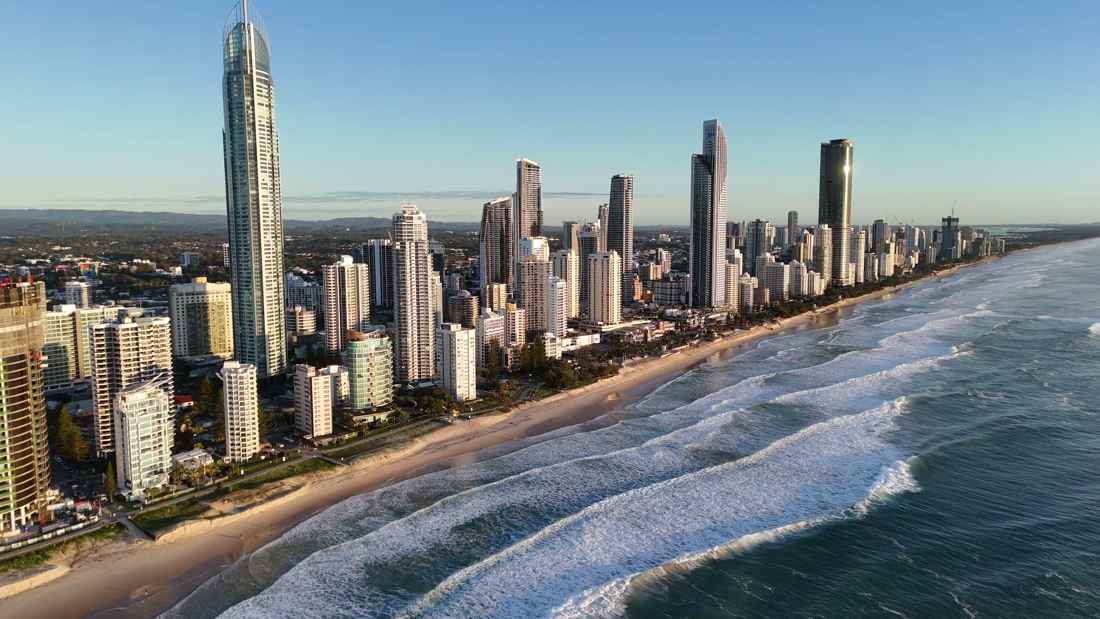
Canal and waterfront blocks are some of the most sought-after building sites on the Gold Coast, and also some of the most technically involved. Between flood and storm tide overlays, coastal erosion prone areas, seawalls and acid sulfate soils, a waterfront build carries checks that an inland lot in the same suburb simply does not. This article walks through what a private certifier looks at on a canal or waterfront lot, and where council planning matters fit alongside the Building Approval.
The Gold Coast City Plan overlays that matter most
Every property on the Gold Coast sits within the Gold Coast City Plan, the local planning scheme administered by the City of Gold Coast. For waterfront and canal lots, the overlays that usually come into play are:
These overlays are cumulative in some areas, meaning a single lot can sit within more than one at once. A private certifier checks which overlays apply to your specific address early, because the answer changes what the design needs to achieve before it even reaches Building Approval stage.
Council Development Approval versus Building Approval
Under the Queensland system, planning matters run through the City of Gold Coast as a Development Approval (DA) under the Planning Act 2016, while a private certifier, licensed by the QBCC and regulated under the Building Act 1975, handles the Building Approval and assesses the building itself against the National Construction Code (NCC) and the Queensland Development Code (QDC).
Many standard houses on residential lots, including some canal lots, qualify as accepted development under the Gold Coast City Plan, meaning they can go straight to a private certifier for Building Approval without a separate council DA. Where a lot sits within a coastal erosion prone area, a significant storm tide overlay, or has other constraints such as a heritage listing or a canal reserve boundary, a council DA is more likely to be needed before building approval can proceed. We confirm this for you as one of the first steps in reviewing your plans.
Working with seawalls, retaining structures and pontoons
Most canal-front properties already have a seawall or bank retaining structure, sometimes owned and maintained by the City of Gold Coast rather than the individual property owner, and often a private pontoon or jetty as well. When you build close to the water's edge, whether that is a new house, an extension, a pool or a deck, the certifier needs to understand how the new structure's footings, excavation and loading interact with the existing seawall.
This matters for two reasons. First, structural: footings placed too close to a seawall can affect its stability, and the seawall's condition can affect what loads are safe near it. Second, approval: council often has separate requirements for works near a canal reserve or waterway, distinct from the building approval for the house itself. A good certifier flags this early, rather than at the final inspection when a variation is expensive to fix.
Acid sulfate soils on reclaimed and low-lying land
Large parts of the Gold Coast's canal estates, including areas around the Broadwater, Hope Island and the reclaimed land bordering many waterways, sit on acid sulfate soils. These soils are stable while undisturbed, but excavation, particularly below the water table for footings, pools or basements, can expose sulfides that oxidise and produce acid runoff if not managed correctly.
Where a site is identified as having acid sulfate soil potential, the certifier and the geotechnical engineer typically require a soil management plan covering excavation, treatment and disposal methods before work starts. This is not unique to waterfront lots, but it is far more common on them than on higher, inland blocks.
Wind exposure and structural requirements
The Gold Coast is not a cyclonic region, but a canal or waterfront lot is usually far more exposed than a suburban block, and the site wind classification your engineer assigns reflects that. For a canal or waterfront build, this typically means higher specification requirements for roof tie-down, wall bracing, and window and door glazing, particularly for exposed elevations facing open water. The certifier checks the structural engineering against the relevant wind classification for the site as part of Building Approval assessment, alongside the flood and storm tide requirements already covered above.
Key takeaways
If you are planning a build on a Gold Coast canal or waterfront lot, our building approval Gold Coast page covers the full process from drawings to final certificate, and our building certifier Gold Coast hub lists our full range of coastal services. Call our Brisbane office on (07) 4803 7080 or get a free quote and we will tell you which overlays apply to your address.

Unrestricted building surveyors and certifiers. Residential, commercial and industrial. Brisbane and Sydney.
Woolloongabba QLD 4102 (07) 4803 7080 Also serving the Gold Coast and Sunshine Coast