Occupation Certificates in NSW: the checklist before you move in
Before you can legally move into a new home, occupy an extension, or use a new commercial space in New South Wales, you need an Occupation Certificate. This post walks through what an Occupation Certificate is, what your certifier needs to see before issuing one, and the common reasons final sign-off gets held up.
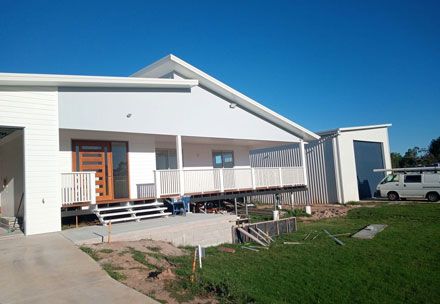
What an Occupation Certificate is
An Occupation Certificate (OC) is the document that authorises the use or occupation of a new building, or a part of one, once construction is complete and compliant. You cannot move furniture in, start living in a new house, or open a new commercial fit-out without one. Historically there were interim and final OCs for staged occupation of larger buildings, but the core idea is the same: the certifier confirms the building is safe and compliant enough to be occupied.
Your Principal Certifier (PC), appointed before work started under the Building and Development Certifiers Act 2018, is generally the one who issues the OC, because they have carried out the mandatory critical stage inspections through the build and hold the full inspection history.
What your certifier needs before issuing the OC
Certifiers cannot issue an OC on trust. They need a documented paper trail showing the building matches what was approved and complies with the relevant standards. Typically this includes:
Common reasons the OC gets delayed
Most delays are avoidable. The usual culprits are missing compliance certificates from other trades or consultants, work that has quietly departed from the approved drawings without a variation being lodged, outstanding council conditions like driveway or footpath works, and BASIX items that were not installed as committed on the original certificate. A pool without current barrier compliance or registration is another common holdup on residential jobs.
The fix in most cases is simple: line up your paperwork as construction finishes, rather than after. If you know your certifier's checklist early, your builder can hand over the right documents at the final inspection instead of chasing them down later.
The process with Vast
Preparing ahead of the final inspection
If you are a homeowner working with a builder, it is worth asking early who is responsible for collecting compliance certificates from engineers, electricians and other trades, because it is often not automatic. If you are a small builder managing several trades, keeping a running file of certificates as each stage finishes, rather than scrambling at the end, is the single biggest thing that speeds up final sign-off.
Interim versus final occupation
For larger or staged buildings, an interim Occupation Certificate has historically allowed part of a building to be occupied while other parts, or common areas, are still being finished. A final Occupation Certificate then covers the whole building once every outstanding item is closed out. For most residential projects, a single final Occupation Certificate is all that applies, but it is worth checking with your certifier early if your project involves staged handover, for example a multi-unit development being sold or occupied in parts.
What happens if something fails at the final inspection
It is not unusual for a final inspection to turn up a small item that needs attention before the OC can issue: a missing smoke alarm, an incomplete balustrade, a stormwater connection not quite matching the approved plan. This does not usually mean starting over. Your certifier will tell you exactly what needs to be rectified, and once it is fixed and re-inspected, the certificate can issue. The frustrating delays tend to come from documentation gaps rather than the physical building itself, which is why chasing paperwork early is worth the effort.
Key takeaways
If you are approaching completion on a Sydney project, our Occupation Certificates page sets out what to prepare in more detail, and our Principal Certifier post explains who is responsible for this sign-off. Call our Sydney office on (02) 3815 0726 or get a free quote if you want your final inspection checklist confirmed before you get to the finish line.

Unrestricted building surveyors and certifiers. Residential, commercial and industrial. Brisbane and Sydney.
Woolloongabba QLD 4102 (07) 4803 7080 Also serving the Gold Coast and Sunshine Coast